


Faculty

Prof. Ralph Martins
Professor of Neurobiology at Macquarie University in Sydney
Foundation Professor of Ageing and Alzheimer’s Disease at Edith Cowan University in Perth
Professor Ralph Martins AO has dedicated the last 33 years to Alzheimer’s disease (AD) research. He is well-known and highly respected internationally as a prominent researcher in the field.
His insight into this devastating disease has led to a number of groundbreaking discoveries including the pioneering discovery of Beta-amyloid and its precursor the amyloid precursor protein (APP), an important protein found in the brains of Alzheimer’s patients now universally acknowledged as being fundamental to the pathology of this disease. His identification of oxidative stress in the Alzheimer brain has also been described as a significant landmark in the history of the disease.
Prof. Martins and his team have been at the forefront globally in developing non-invasive and cost-effective early diagnostics for preclinical AD. They are also progressing a highly innovative program of therapeutic strategies and preventative interventions in pre-clinical AD.
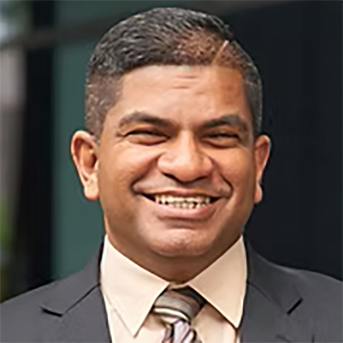
Associate Prof. Nagaendran Kandiah
Associate Professor of Neuroscience, Lee Kong Chian School of Medicine
Associate Professor, Lee Kong Chian School of Medicine
Associate Professor Nagaendran Kandiah is the Director of the Dementia Research Centre at LKC-NTU School of Medicine. He is a senior neurologist with specialization in cognitive neurology and vascular neurology. He also holds an appointment as Clinician Scientist with National Medical Research Council.
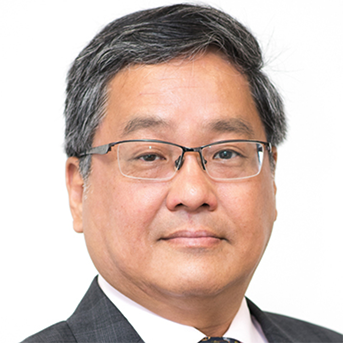
Prof. Christopher Chen Li-Hsian
Professor, Yong Loo Lin School of Medicine, National University of Singapore
Senior Clinician-Scientist at the Yong Loo Lin School of Medicine, National University of Singapore,Dr Chen is a Professor and Senior Clinician-Scientist at the Yong Loo Lin School of Medicine, National University of Singapore, supported by a Singapore Translational Research Investigator Award from the National Medical Research Council of Singapore.He trained at Cambridge, Oxford and the Institute of Neurology, London. His major research and clinical interests are in blood biomarkers, neuroimaging and treatment of stroke and dementia. He has published over 500 peer-reviewed papers, leads studies on the treatment and prevention of stroke and dementia, and is a member of trial steering and safety committees.
As Director of the Memory Aging and Cognition Centre he has supervised over 40 post-graduate students, and by co-chairing the World Stroke Organisation’s Future Leaders Program he mentors young academics and clinicians globally.
Moreover, as President of the Asian Society Against Dementia and the Asian Oceanian Association of Neurology, he aims to enhance regional collaborations.
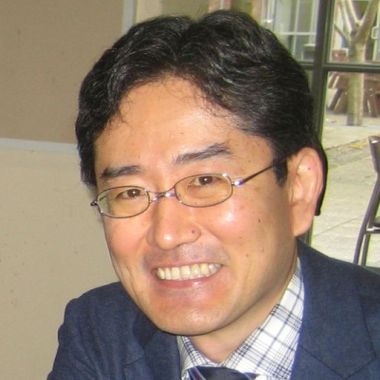
Prof. Masafumi Ihara, MD, PhD, FACP, FAHA
Director, Department of Neurology, National Cerebral and Cardiovascular Center (NCVC), Osaka, Japan
Director, Department of CADASIL Research and Development
Dr Masafumi Ihara, MD, PhD, FACP, FAHA is Director, Department of Neurology, National Cerebral and Cardiovascular Center (NCVC), Osaka, Japan (2013-present). He is also Director, Department of CADASIL Research and Development, NCVC (2025-present). He graduated from Kyoto University School of Medicine in 1995. He received clinical training at Kyoto University Hospital in 1995 and Nishi-Kobe Medical Center in 1995-1999. In 1999 he entered Kyoto University Graduate School of Medicine and completed a PhD in Neuroscience in 2003. He received his neuropathological training under supervision of Prof. Kalaria in Newcastle University, UK during 2006-2008. He led a neurovascular research group as an assistant professor of Department of Neurology in Kyoto University (2008-2012) and as a deputy director of Department of Regenerative Medicine Research in Institute of Biomedical Research and Innovation (IBRI), Kobe (2012-2013). His research interests have focused on the pathological changes in brain blood vessels and how the alterations impact on brain health during old age. He is a Fellow of the Japanese Society of Neurology, the American Heart Association (FAHA), and the American College of Physicians (FACP). In NCVC, Dr Ihara is involved in translational research projects related to regenerative therapy for stroke (AMFIS trial) and CADASIL (AMCAD trial), and a clinical trial of the vasoactive drug cilostazol for mild cognitive impairment (COMCID trial).
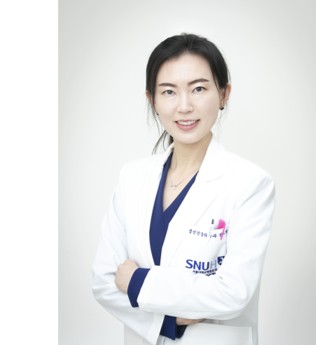
Prof. So Yeon Jeon, MD, PhD
Professor of Psychiatry at Seoul National University Boramae Medical Center, where I lead the antiamyloid antibody treatment program.
So Yeon Jeon, MD, PhD is a clinical professor in the Department of Psychiatry at Seoul National University Boramae Medical Center, Seoul, Republic of Korea. Her research focuses on neuropsychiatry and neurodegenerative disorders, with particular expertise in Alzheimer’s disease, cognitive decline, and neuroimaging biomarkers.
Dr Jeon has authored and co‑authored numerous peer‑reviewed publications investigating the relationships between amyloid and tau pathology, neurodegeneration, cognition, and clinical outcomes. Her work frequently integrates advanced neuroimaging, biomarker analysis, and longitudinal cohort data to improve early detection and understanding of dementia and related disorders.
She is actively involved in multidisciplinary research collaborations within Seoul National University and across national and international institutions. Prof. Jeon’s academic contributions have been widely cited, reflecting her significant impact in the field of neuropsychiatric research.
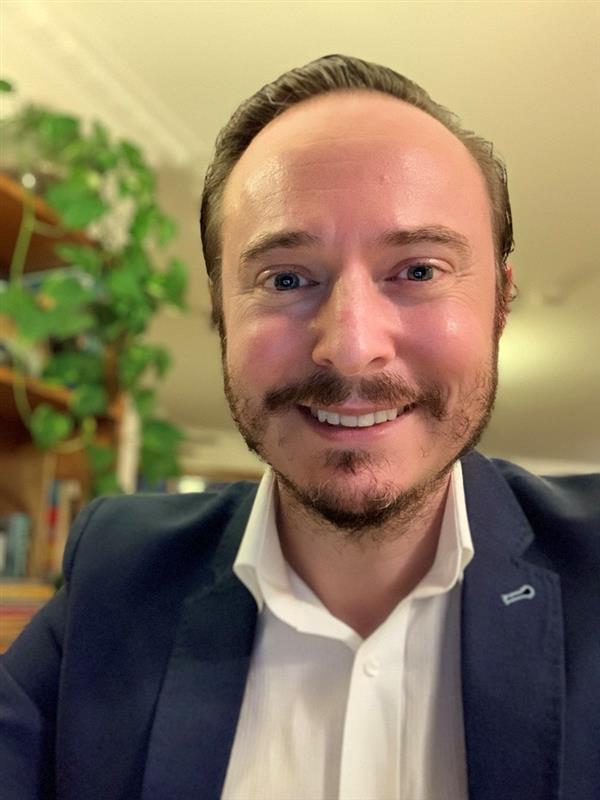
Associate Professor Paul Yates
Consultant Geriatrician
Director of Research and Medical Lead, Memory Clinic Deputy Head of Unit, Geriatric Medicine Austin Health Clinical Associate Professor
Department of Medicine, Austin Health University of Melbourne
Associate Professor Paul Yates (he/him), MBBS, FRACP, PhD, AFRACMA, is a Consultant Geriatrician at Austin Health, where he serves as Director of Research and Medical Lead of the Memory Clinic, and Deputy Head of Unit, Geriatric Medicine. He is also a Clinical Associate Professor in the Department of Medicine at Austin Health, University of Melbourne.
Associate Professor Yates is a clinician‑researcher with expertise in geriatric medicine, dementia, and cognitive disorders, working across hospital, community, and residential aged‑care settings. His research focuses on improving diagnosis, care models, and outcomes for older adults, with particular emphasis on Alzheimer’s disease, neuroimaging biomarkers, and the translation of novel dementia therapies into clinical practice.
He has led and contributed to major national and international clinical trials in dementia and ageing and plays a key role in advancing research‑driven models of care within Australia. Through his clinical leadership and academic appointments, Associate Professor Yates is actively involved in multidisciplinary collaboration, education, and research supervision.
Guest Speakers
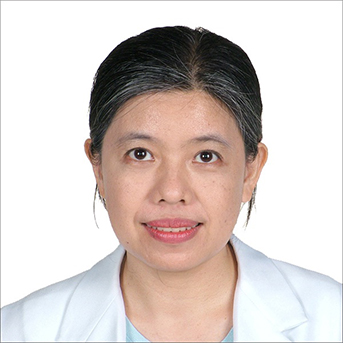
Dr. Jacqueline Dominguez
Head, Memory Center, St. Luke's Medical Center - Global City
Dr. Jacqueline Dominguez is a neurologist with a special interest in aging and cognitiveimpairment. She graduated from the St. Louis University College of Medicine and trained in Adult Neurology at the St. Luke’s Institute for Neurosciences. Her interestin dementia made her pursue training in Alzheimer’s Disease and Related Disorders at Washington University in St. Louis, MO. She now heads the St.Luke’s Memory Center. Dr. Dominguez is a long-time advocate for dementia care not only in its medical but sociocultural aspects. As an anthropologist, her research interest includes underpinnings of culture and dementia care, one of which is the urban communitybased Marikina Memory and Aging Project to develop community and family-based non-pharmacologic interventions in dementia.
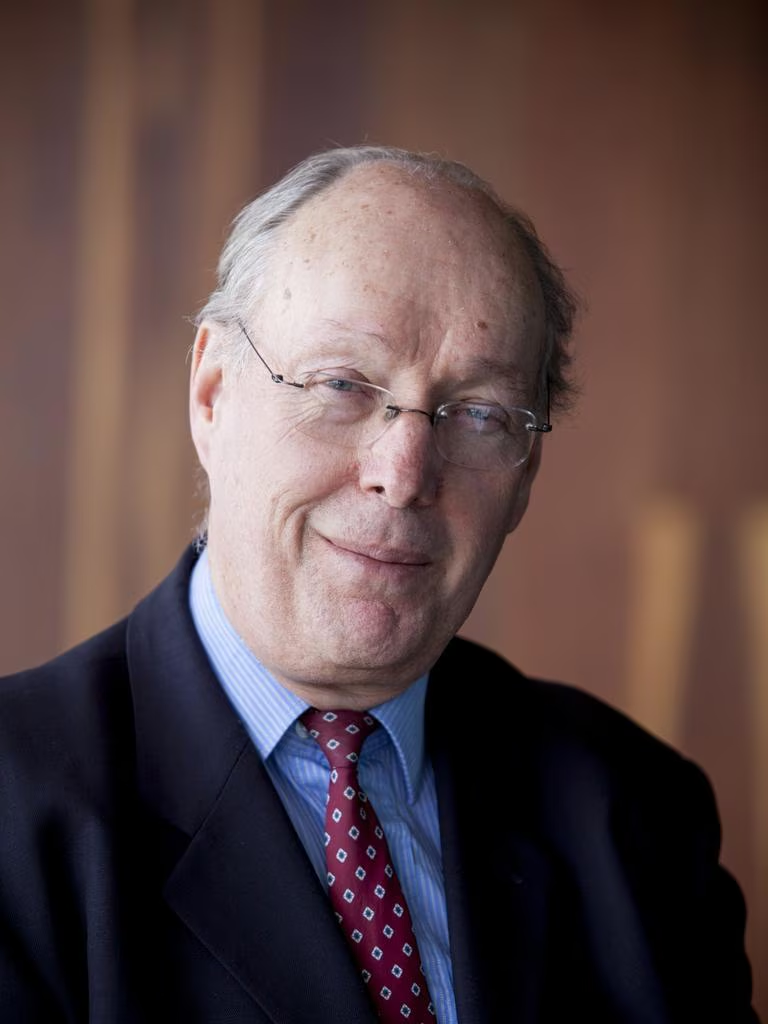
Professor Colin Masters AO
Professor The Florey Institute, The University of Melbourne
Professor Colin Masters is a Laureate Professor at the University of Melbourne and a Distinguished Florey Fellow at the Florey Institute of Neuroscience and Mental Health. He is internationally recognised for his pioneering contributions to the understanding of Alzheimer’s disease and neurodegenerative disorders.
Professor Masters was among the first scientists to characterise amyloid‑β, the key protein component of amyloid plaques in Alzheimer’s disease, and is a leading proponent of the amyloid hypothesis, which has shaped decades of research into disease mechanisms, biomarkers, and therapeutic strategies. His work has been instrumental in advancing molecular, genetic, and biochemical insights into dementia.
With an extensive body of highly cited publications and numerous international awards, Professor Masters has played a major role in translating fundamental neuroscience into clinical research and policy. He continues to lead and influence dementia research through his roles at the Florey Institute and the University of Melbourne, contributing to global efforts to improve the prevention, diagnosis, and treatment of Alzheimer’s disease.

Dr. Atsushi Iwata
M.D, Ph.D. Professor, Tokyo Metropolitan Institute for Geriatrics and Gerontology
Dr. Iwata received his M.D. and Ph.D. from the University of Tokyo. He completed postdoctoral training at Stanford University by studying autophagy and neurodegeneration. Now a senior assistant professor and Director of outpatient clinic at the University of Tokyo Hospital, he serves as a general neurologist as well as behavioral neurologist at the memory clinic. His current research aims to elucidate pathomechanisms of sporadic neurodegenerative disorders through epigenetics and molecular biology. He is also conducting various clinical studies and serves as clinical core of Japanese ADNI studies.
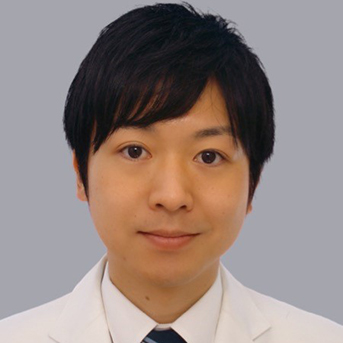
Dr. Masanori Kurihara
Doctor, Department of Neurology, Tokyo Metropolitan Institute for Geriatrics and Gerontology, Tokyo, Japan
Dr. Masanori Kurihara received his medical degree from the University of Tokyo. After completing medical training and neurology residency, he became a board-certified neurologist by the Japanese Society of Neurology. He then joined the Graduate School of Medicine at the University of Tokyo. He was elected as a research fellow (DC2) of the Japanese Society for the Promotion of Science, and has received several public research grants since then. His thesis was “Investigation of tau-induced aggregation of BRCA1 in tauopathies”.
After receiving Ph.D., he moved to Tokyo Metropolitan Institute for Geriatrics and Gerontology and serves as a general neurologist and as a board-certified dementia specialist by Japan Society for Dementia Research.
His current research focuses on CSF and PET biomarkers in cognitive disorders, including Alzheimer’s disease, frontotemporal dementia, corticobasal syndrome, and neuronal intranuclear inclusion disease.
He is also involved in several multicenter clinical studies and clinical trials on Alzheimer’s disease and is involved in the roll out of anti-Aβ antibodies (lecanemab and donanemab) in the real world in one of the largest volume centers in Japan.
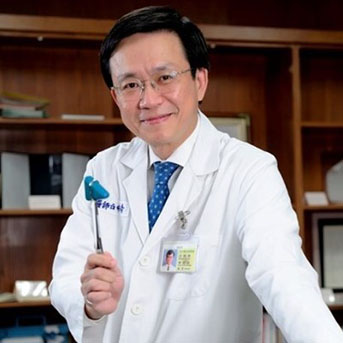
Prof. Ming-Chyi Pai
Professor of Neurology and the Director of the Institute of Gerontology at National Cheng Kung University (NCKU)
Professor Ming-Chyi Pai is also the Director and Principal Investigator of the Alzheimer's Disease Research Center (ADRC) at NCKU Hospital, where he has been conducting many global clinical trials on AD and related dementias.
Prof. Pai graduated from Taipei Medical University (M.D.) in 1988 and obtained his Ph.D. degree (psychology) from National Chung Cheng University in 2002. Dr. Pai studied neuropsychology at Tohoku University from 1995 to 1996 and studied psychology at the University of Arizona from 2002-2003. His major interests are cognitive and behavioural neurology, in particular human spatial navigation as a maker for Alzheimer disease and using AI to help diagnose and classify different types of neurodegenerative disorders.
Prof. Pai has chaired Division of Behavioural Neurology at National Cheng Kung University (NCKU) Hospital since 1998 and initiated dementia clinic in 1994.
Prof. Pai is the founding president of Zeelandia Dementia Association (ZDA, established in 2004), and current president (2013-). Dr. Pai was the president of Taiwan Dementia Society (TDS) from 2015-2018 and is currently the chair of supervisory board of TDS. He has been active in the public and academic affairs of Asian Society Against Dementia.